
A 2019 Pew Research Center study found that two-thirds of Americans were experiencing news fatigue, while an August 2025 survey found that only 36% of U.S. adults “follow the news all or most of the time.” It’s likely those percentages have increased, given today’s headlines.
Balanced reporting has been a challenge for J.D. Simkins, editor-in-chief of Military Times and Defense News, and his team because of the publication’s specialized audiences. Much of the content is for the largest military demographic: non-commissioned officers and below. Veterans also comprise a significant portion of the readership, while the defense side appeals to many people in that industry.

“There is some readership fatigue when it comes to the Iranian conflict. During the first week, we had massive audience spikes, but as the conflict dragged into a third week, some of that traffic declined. You also must consider that our readership, and the greater public, is fatigued after paying for 20-plus years of ‘forever wars,’” Simkins said.
Simkins also attributes news fatigue to an emotional disconnect stemming from the oversaturation of horrific events readily accessible online. Adding to that now is The White House and Department of Defense interspersing video game footage with strikes in Iran on their social media accounts, which he says has shown an alarming disregard for the humans enduring the consequences of that political decision-making.
Sam Eifling, editor-in-chief at alt-weekly Phoenix New Times, leads a staff that primarily covers local restaurants, entertainment and culture. This is the news and information readers want, and it may help reduce news fatigue.
“Our coverage helps us offset the sense of doom and gloom that may be contributing to news fatigue. Focusing on news that’s close to Phoenix insulates us from news fatigue, because much of it is based on the feeling that terrible events are happening and you can’t do much about them. One antidote to that feeling is local news covering local communities,” Eifling said.
Eifling doesn’t hesitate to include reporting on local politics and police accountability. He has two full-time reporters assigned to those beats. The New Times audience was highly engaged with coverage of ICE raids and accountability journalism on immigration stories. Sharing how local artists use these events to inspire their art is another way Eifling helps his audience feel less disempowered.

Another perspective on news fatigue and avoidance is the positive steps CBS Mornings Contributor David Begnaud took to alleviate his reporter fatigue. He recently launched Do Good Crew, a new media company. Its podcast features conversations with notable guests such as Oprah Winfrey, Barry Diller and Margaret Cho. They share stories about the people who believed in them and inspired them to succeed, and they help others succeed as well.
“My burnout was subconsciously building for many years, and I didn’t realize it, although I could compartmentalize it rather well. I was no longer willing to saddle myself with the grief and empathy fatigue that comes from being someone who has a heart that works. I wanted to continue on my terms, telling the stories that illuminate and illustrate people doing good,” Begnaud said.
He attributes the public’s news fatigue and avoidance to the accessibility of the content. In his view, news consumers are also to blame because watching negative news prompts editors to produce more of it. By being more selective, news consumers can experience less fatigue.
Eifling shares some advice for reporters and editors: “If you give news consumers very nutritious content about what’s occurring in the world and you are equipping them to understand the world better, then they will respond.”
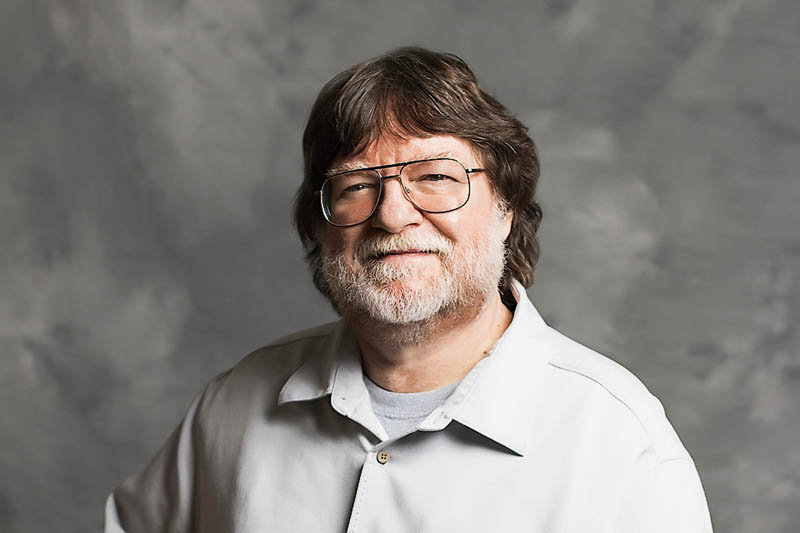 Bob Sillick has held many senior positions and served a myriad of clients during his 47 years in marketing and advertising. He has been a freelance/contract content researcher, writer, editor and manager since 2010. He can be reached at bobsillick@gmail.com.





Comments
No comments on this item Please log in to comment by clicking here